Blog
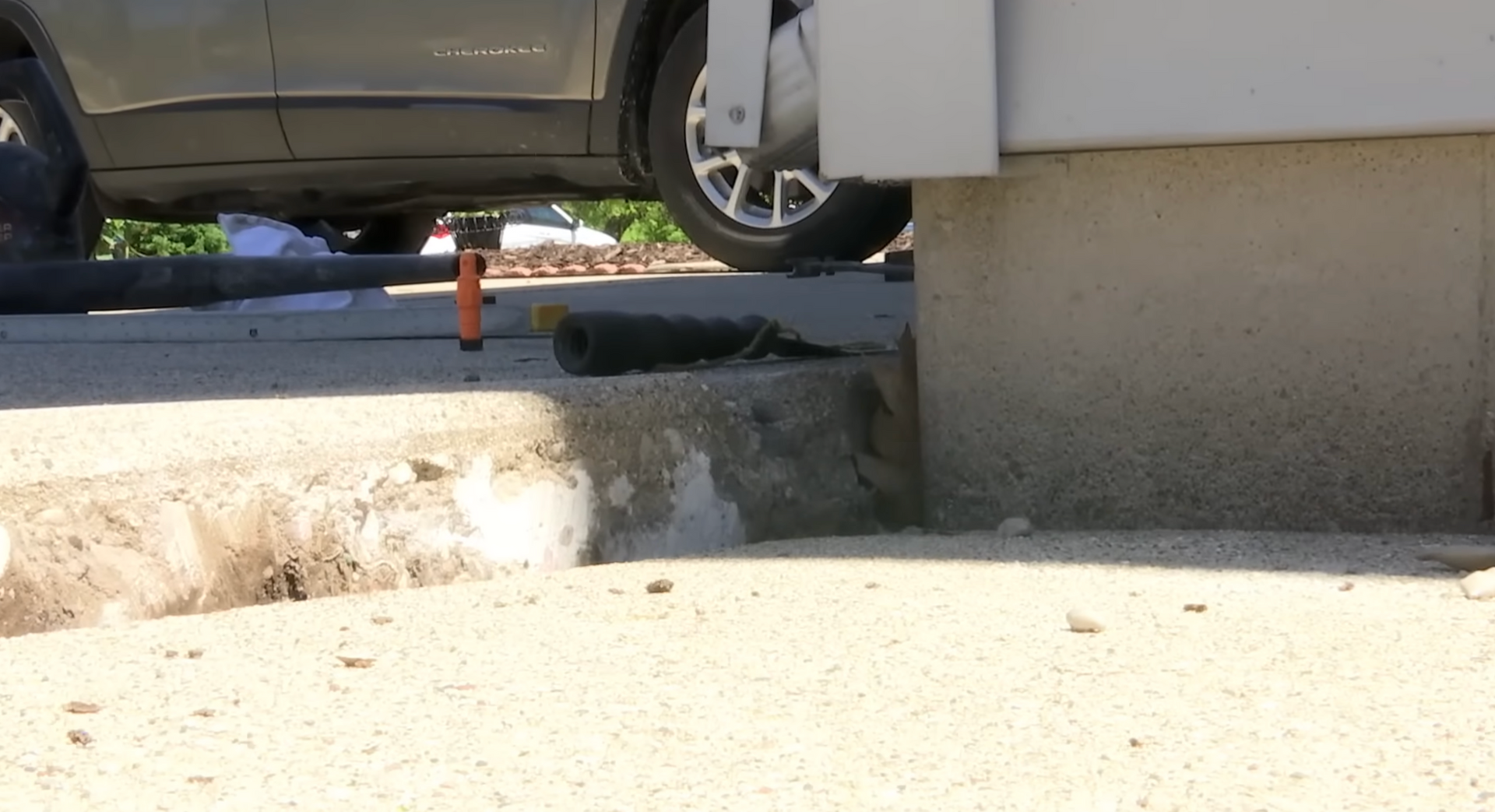
Concrete in this region does not sink at random. It sinks because the clay soil under it swells with rain and shrinks in the heat, and the worst of that shrinking happens during a long, dry North Texas summer. The good news is that a lot of the damage is preventable. You cannot control the weather, but you can control how much water reaches the soil and how evenly. Here are five practical things that genuinely help.
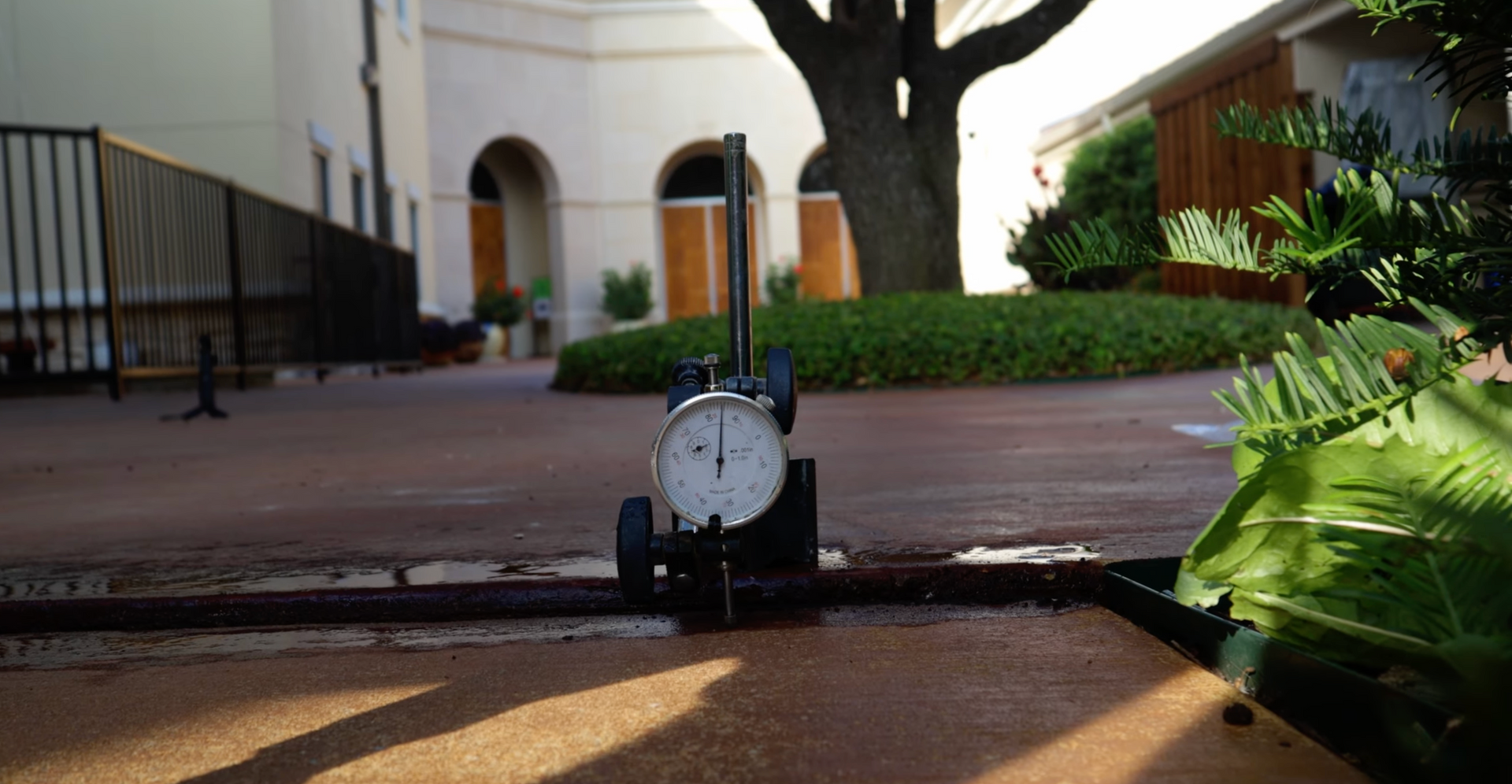
Everyone wants a number, and we understand why. Nobody likes hearing "it depends." So here is the honest breakdown: what actually drives the price of a concrete leveling job, why a flat number on a website would not be doing you any favors, and how leveling stacks up against the alternative.
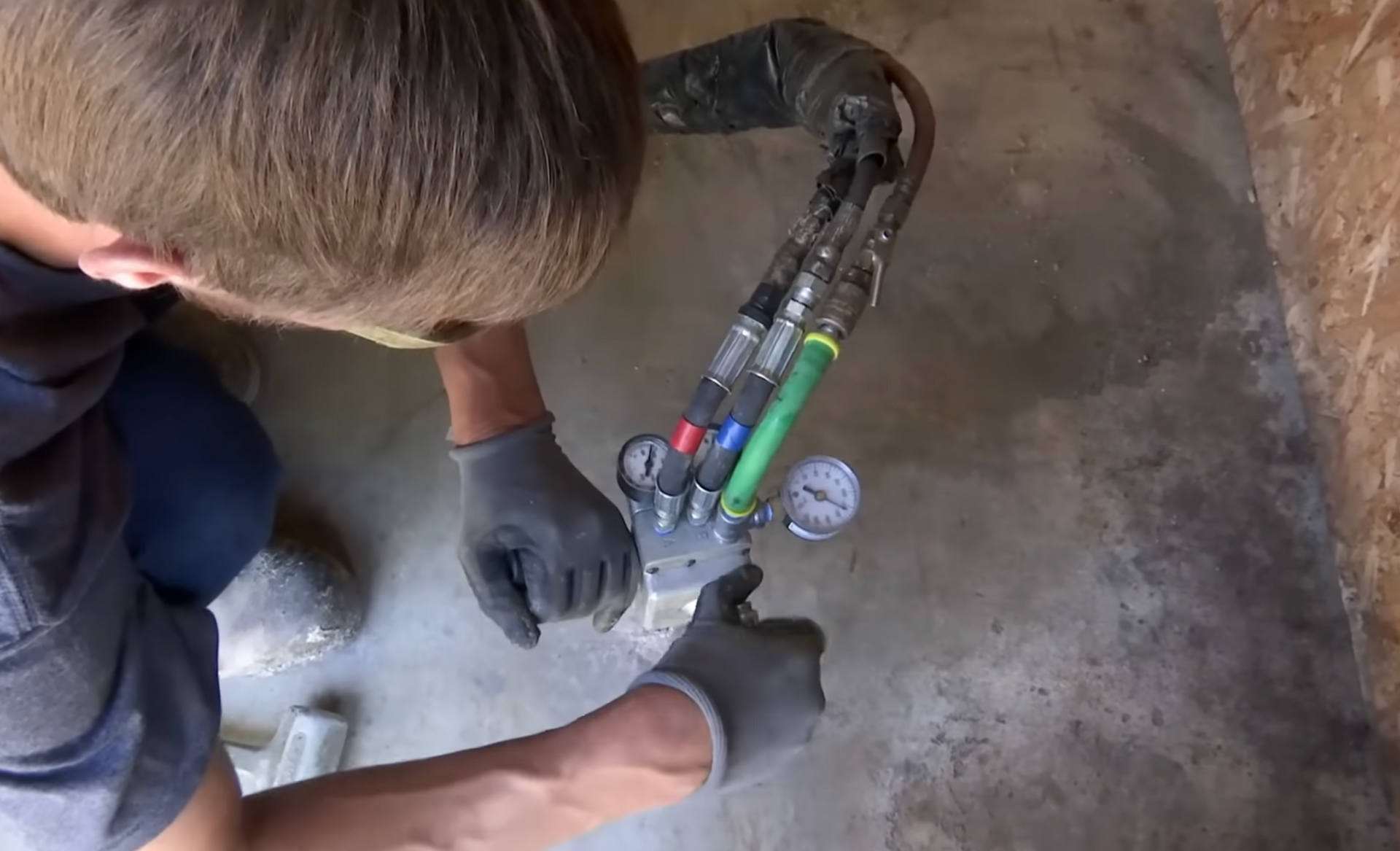
If you live in this part of the state and your driveway, patio, or garage floor has started to sink, you are not unlucky and you did not do anything wrong. You are standing on some of the most difficult soil for concrete in the country. Understanding why helps you see that the fix is usually simpler than you fear.
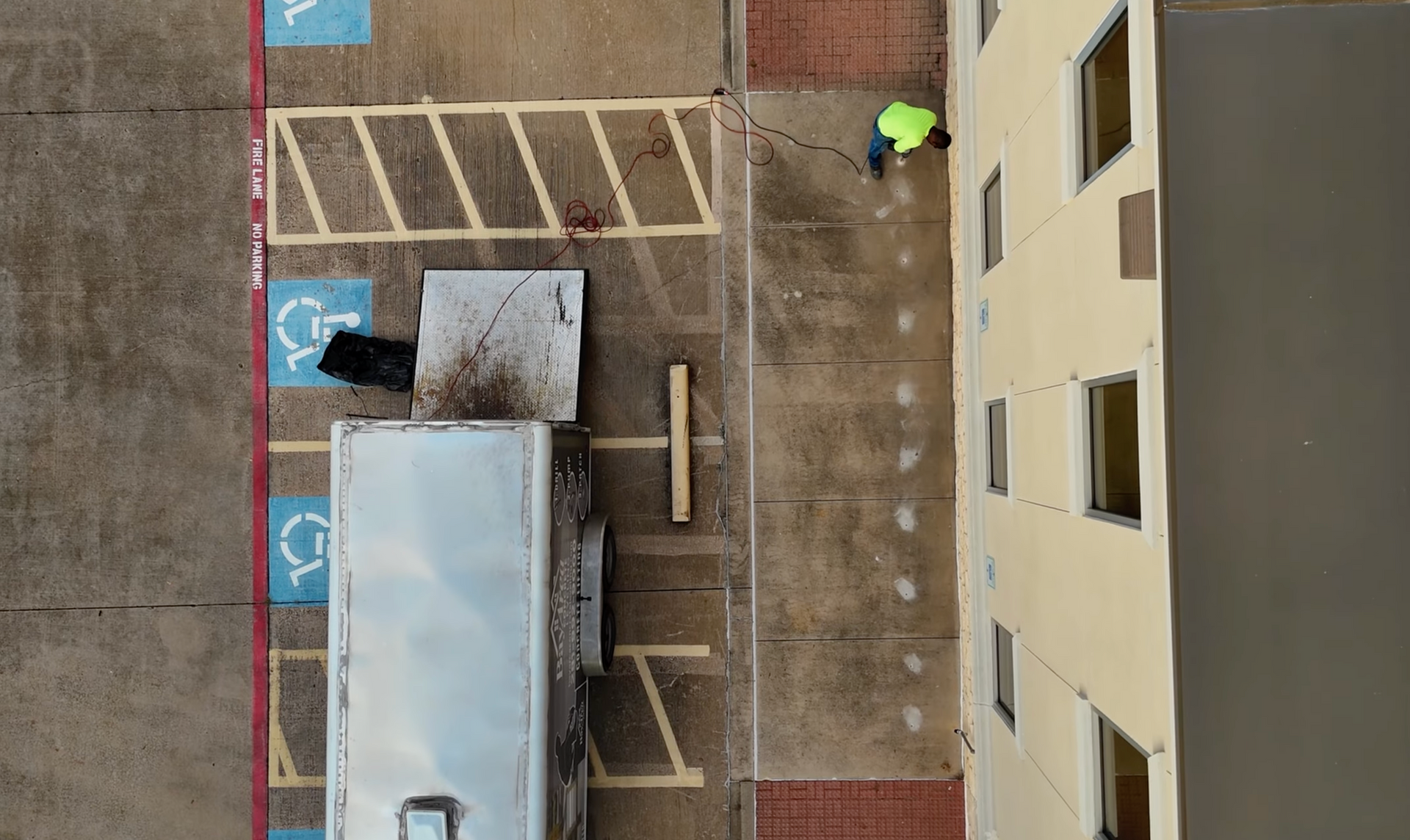
When you start looking into raising a sunken slab, you run into two terms fast: foam jacking and mudjacking. Both lift concrete. Both have been used successfully for years. The difference comes down to the material pumped under the slab, and that difference matters for cost, cure time, and how the repair holds up over our local soil. Here is a plain comparison so you can follow the conversation when you get a quote.
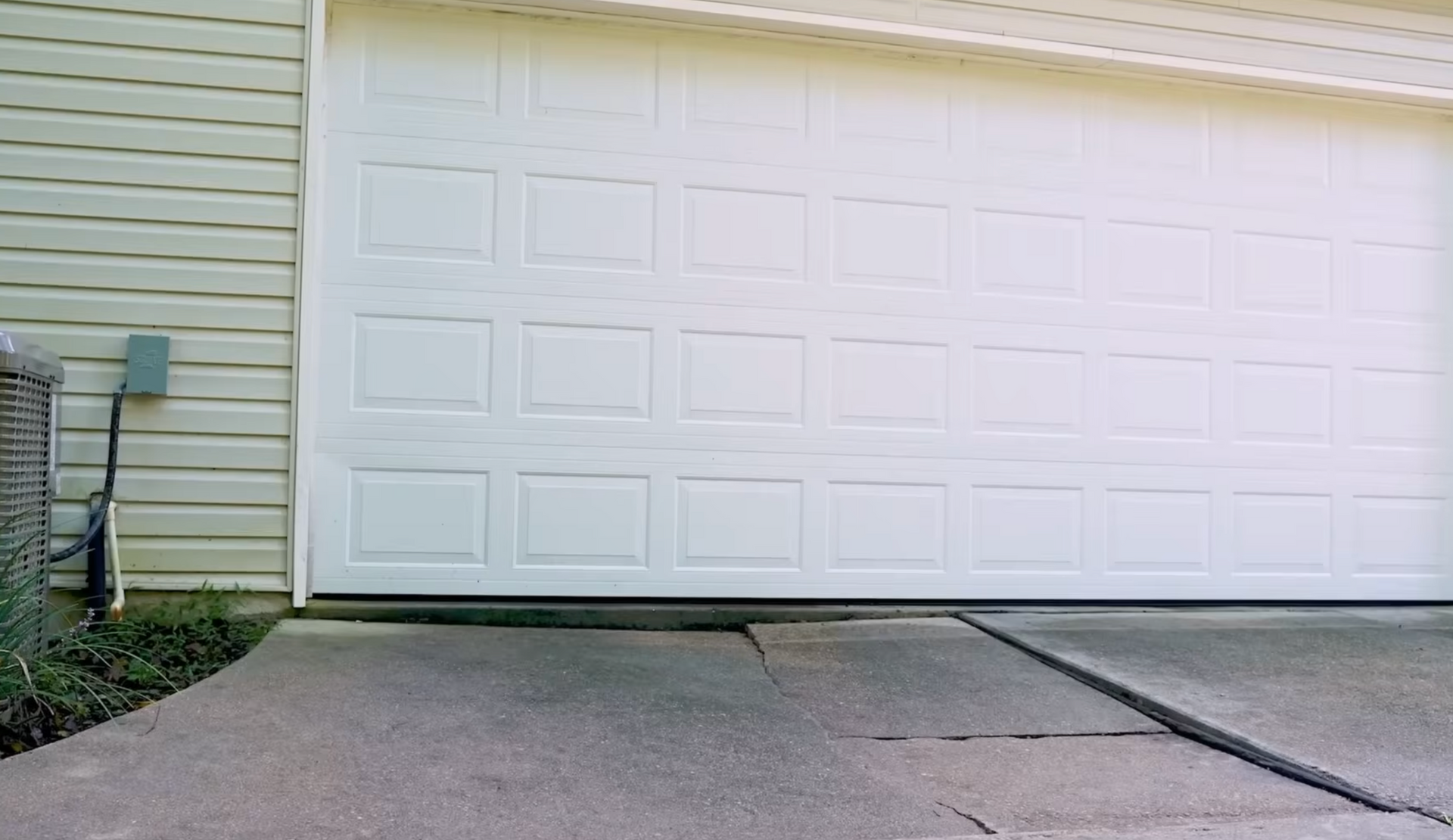
A settling slab and a foundation problem can look alike from where you are standing, and the difference matters because the fix is different. Concrete leveling solves one and not the other. Here is how to read what your house is telling you, so you go into a quote knowing what you are likely dealing with.