Foam Jacking vs Mudjacking: Which Concrete Leveling Method Is Right for You
When you start looking into raising a sunken slab, you run into two terms fast: foam jacking and mudjacking. Both lift concrete. Both have been used successfully for years. The difference comes down to the material pumped under the slab, and that difference matters for cost, cure time, and how the repair holds up over our local soil. Here is a plain comparison so you can follow the conversation when you get a quote.
What they have in common
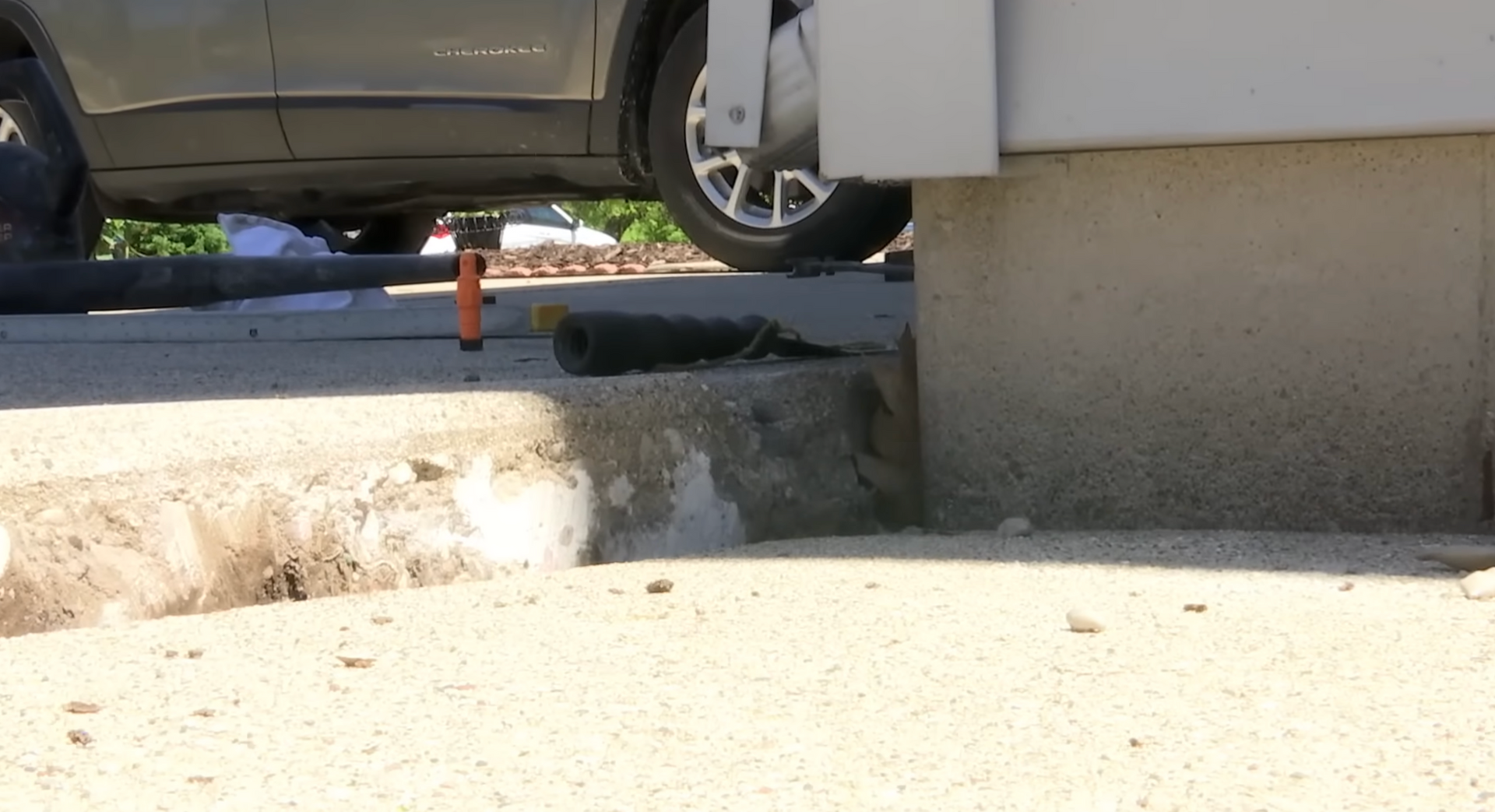
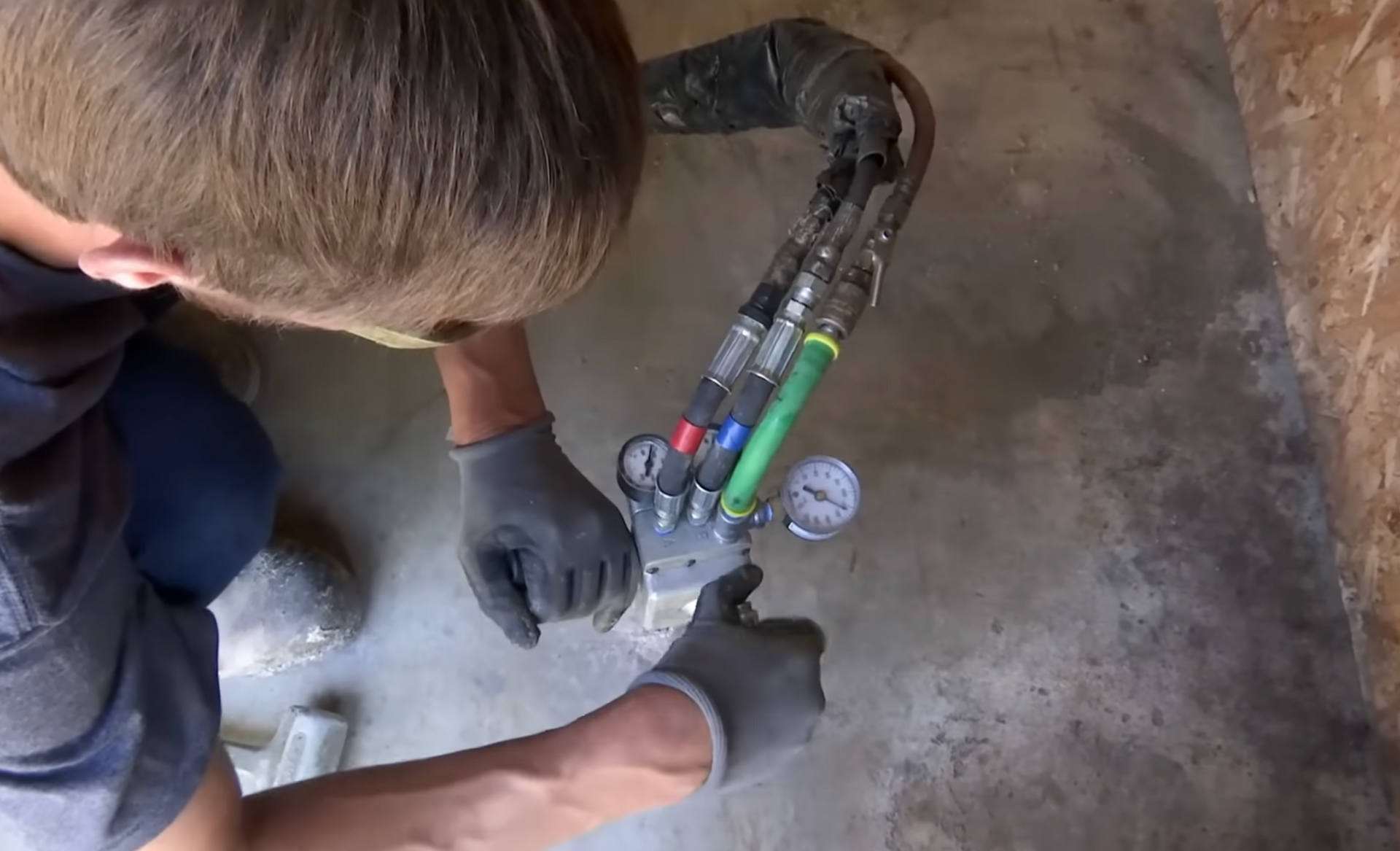
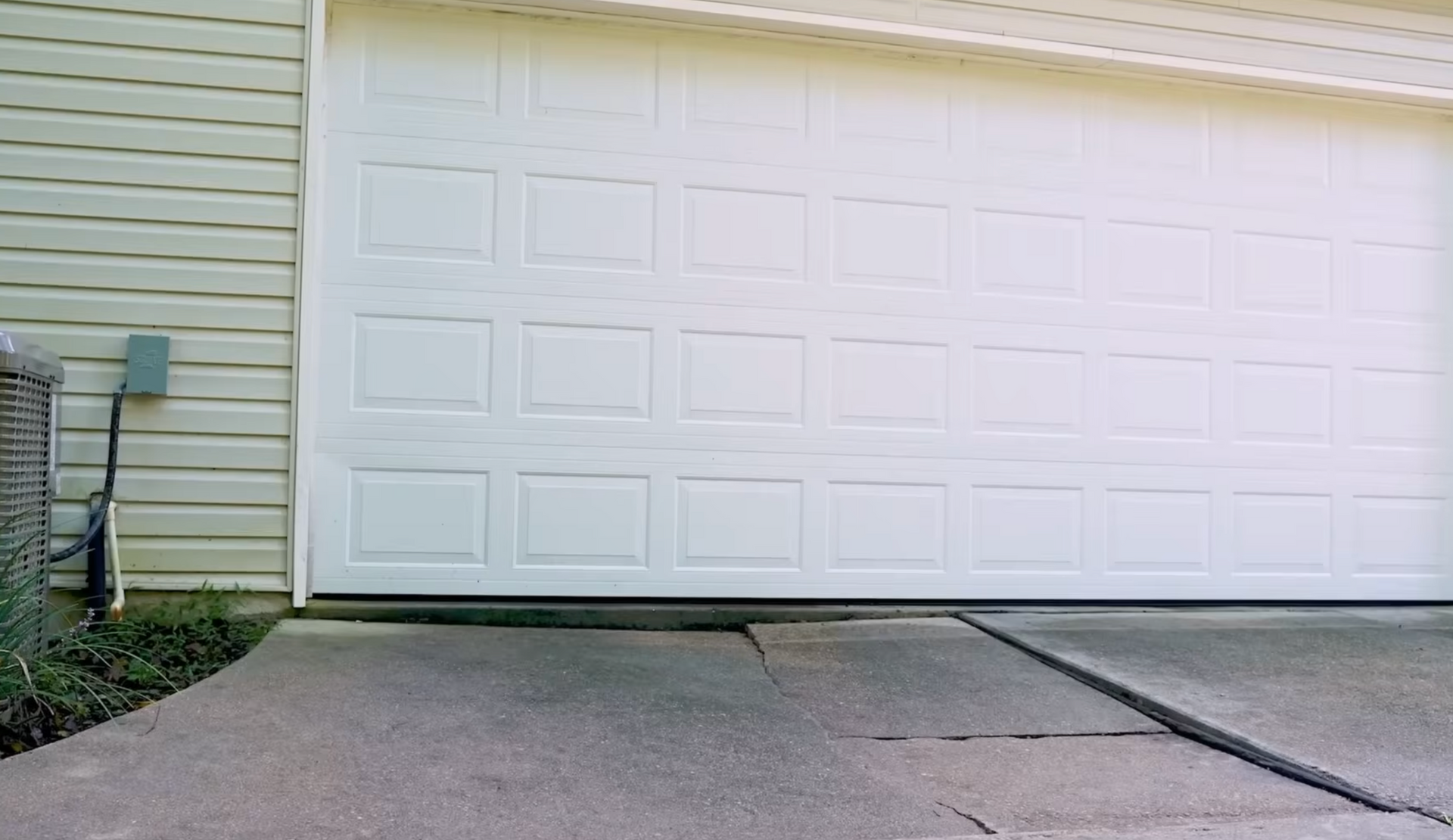
The basic idea is the same for both. Your slab settled because gaps opened in the soil underneath it. To fix it, a contractor drills small holes in the concrete, pumps a filling material into the empty space, and uses that material to raise the slab back to level. When the lift is done, the holes get patched. No tear-out, no new slab, no days of waiting.
So the question is not really which method lifts concrete. They both do. The question is which filling material is the better match for your slab and your situation.
Mudjacking: the proven, budget-friendly method
Mudjacking uses a cement-based slurry, sometimes called a mud, pumped under the slab. It has been the standard for decades and it works. The slurry fills the void and raises the concrete steadily, and it tends to cost less per job, which makes it attractive for big, heavy outdoor slabs like thick driveways.
The trade-offs are weight and hole size. The slurry is heavy, which adds load to soil that may already be struggling to hold what is on top of it. The access holes are a bit larger than with foam. And because it is a cement product, it can take longer before the surface is ready for full use.
Foam jacking: lightweight and water-resistant
Foam jacking uses an expanding polyurethane foam. It goes in as a liquid, spreads into the gaps, and firms up within minutes, lifting the slab with a lot of control. Three things make it a strong fit for this region. It is lightweight, so it does not add much load to clay that is already moving. It resists water, so it does not wash out or break down when the soil gets wet. And it cures fast, so the surface is often ready to use the same day. The access holes are smaller too.
The trade-off is cost. Foam usually runs more than mudjacking per job. You are paying for the lighter weight, the water resistance, and the quicker turnaround.
So which one should you choose?
Here is the honest version. For many slabs over expansive clay, foam is the better long-term fit because it does not add weight to shifting soil and it shrugs off water. For heavy outdoor slabs where budget is the priority and the soil is more stable, mudjacking can be the sensible, economical pick. The deciding factors are the type of slab, how far it has dropped, what the soil is doing, and what you want to spend.
A good contractor will look at your specific slab and recommend the method that fits the job, not the one with the bigger invoice. Be a little cautious with anyone who only offers one method and insists it is always the answer, or who cannot explain why they are recommending it for your slab in particular. The right answer depends on your concrete, not on a one-size script.
If you are weighing the two for your own driveway, patio, or floor, reach out for a free assessment. We will look at what you have, tell you which method makes sense and why, and put it in a clear written quote.