Why North Texas Clay Soil Cracks and Sinks Concrete (and What to Do About It)
If you live in this part of the state and your driveway, patio, or garage floor has started to sink, you are not unlucky and you did not do anything wrong. You are standing on some of the most difficult soil for concrete in the country. Understanding why helps you see that the fix is usually simpler than you fear.
The ground here moves
The soil across North Texas is heavy with expansive clay. Expansive is the key word. This clay acts like a sponge. When rain soaks in, the clay swells and lifts. When the long dry stretches of summer bake it out, the clay shrinks and pulls back, sometimes cracking the ground into pieces you can see from your back porch. That swelling and shrinking never really stops. It just follows the weather.
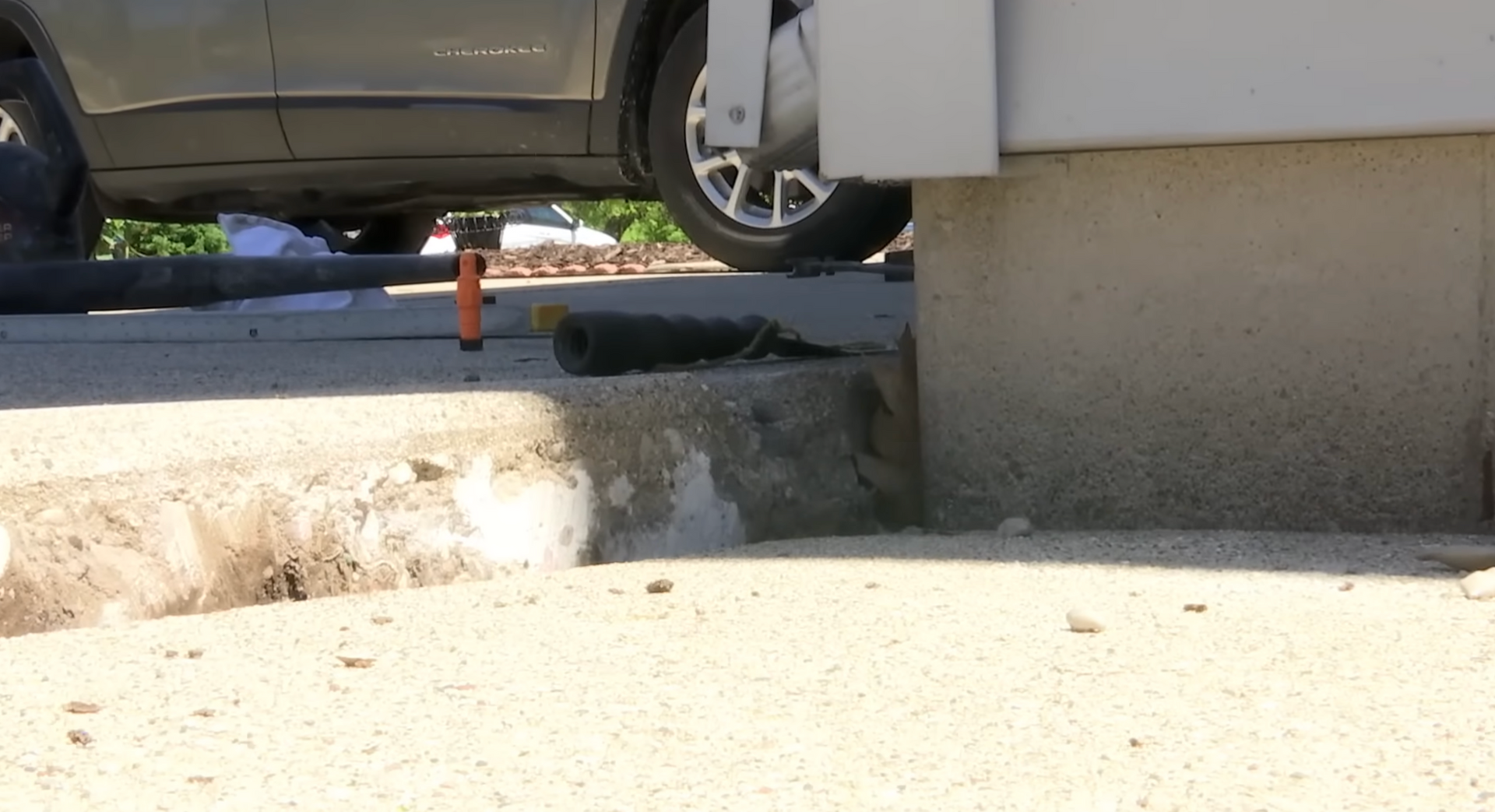
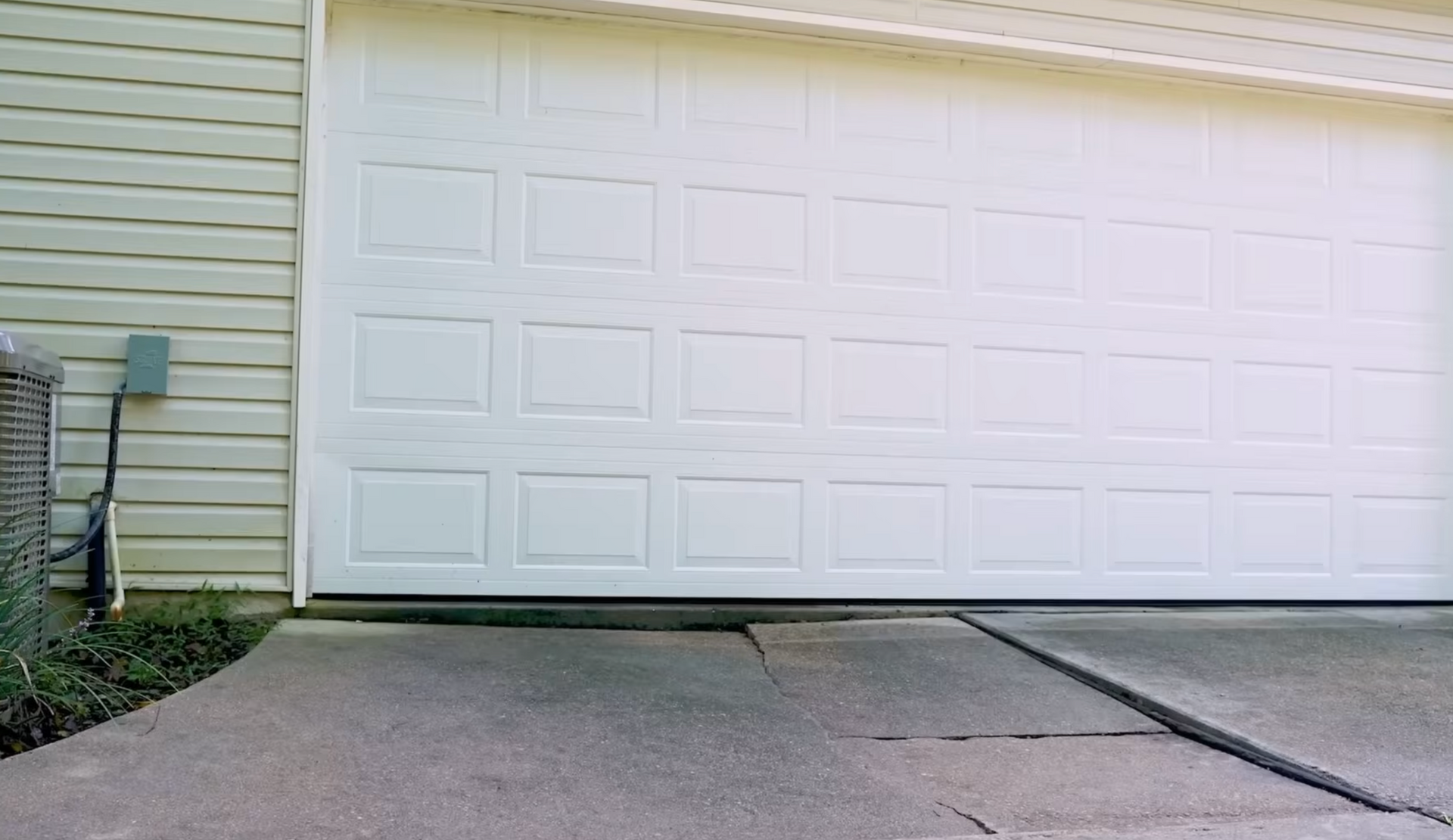
Concrete is strong, but it cannot bend with soil that is rising and falling underneath it. The slab needs steady, continuous support. When the clay pulls back and leaves a gap, the concrete loses its footing in that spot. Gravity does the rest, and a section settles lower than the rest of the slab.
Why one corner drops and the rest stays put
Soil does not move evenly. The clay near a downspout gets more water than the clay ten feet away. The dirt on the shaded side of the house holds moisture longer than the side baking in the afternoon sun. A big tree pulls moisture out of the ground on whatever side its roots reach. So one area loses support faster, and that is the corner that drops first. It is why settling almost always shows up as a tilt or a dip rather than the whole slab sinking straight down.
The things that speed it up
A few common issues around the house make the natural movement worse: A gutter that overflows or a downspout aimed right at the slab dumps water into the soil at one spot, swelling it and then leaving a bigger gap when it dries. Grading that slopes toward the concrete instead of away from it does the same thing. Large trees close to a slab pull serious amounts of water out of the clay, drying and shrinking it on that side. And a plumbing leak under or near the slab keeps the soil unevenly wet year round.
None of these mean your concrete is bad. They mean water is being delivered to the soil unevenly, and uneven soil moisture is what sinks slabs here.
What to actually do about it
The fix is not to replace the concrete. It is to put the concrete back where it belongs and give it its support again. A leveling repair fills the empty space the moving clay left under the slab and raises the concrete back to grade. With the void filled, the slab rests on continuous support again instead of bridging a gap.
The part that makes the repair last is addressing the water. Redirecting a downspout, correcting the grade so rain runs away from the slab, and fixing any leak takes the uneven moisture out of the equation. Lift the slab and ignore the water, and the same spot will dry out and drop again. Handle both, and the repair holds.
If a slab around your home has started to settle, the better move is to look at it while the drop is still small. A half-inch settle is a quick lift. The same slab left for another two years of wet-dry cycles can crack under the strain, and a cracked slab is a harder, costlier problem than a settled one.
Have a slab that is sitting lower than it used to? Reach out for a free assessment and we will tell you, in plain language, what is happening underneath and what it takes to fix it.