Is My Slab Sinking, or Is It Something Worse? How to Read the Signs
A settling slab and a foundation problem can look alike from where you are standing, and the difference matters because the fix is different. Concrete leveling solves one and not the other. Here is how to read what your house is telling you, so you go into a quote knowing what you are likely dealing with.
Signs that point to a settling slab
These usually mean the soil under a specific slab gave way and the concrete dropped with it. This is the kind of thing leveling is built for:
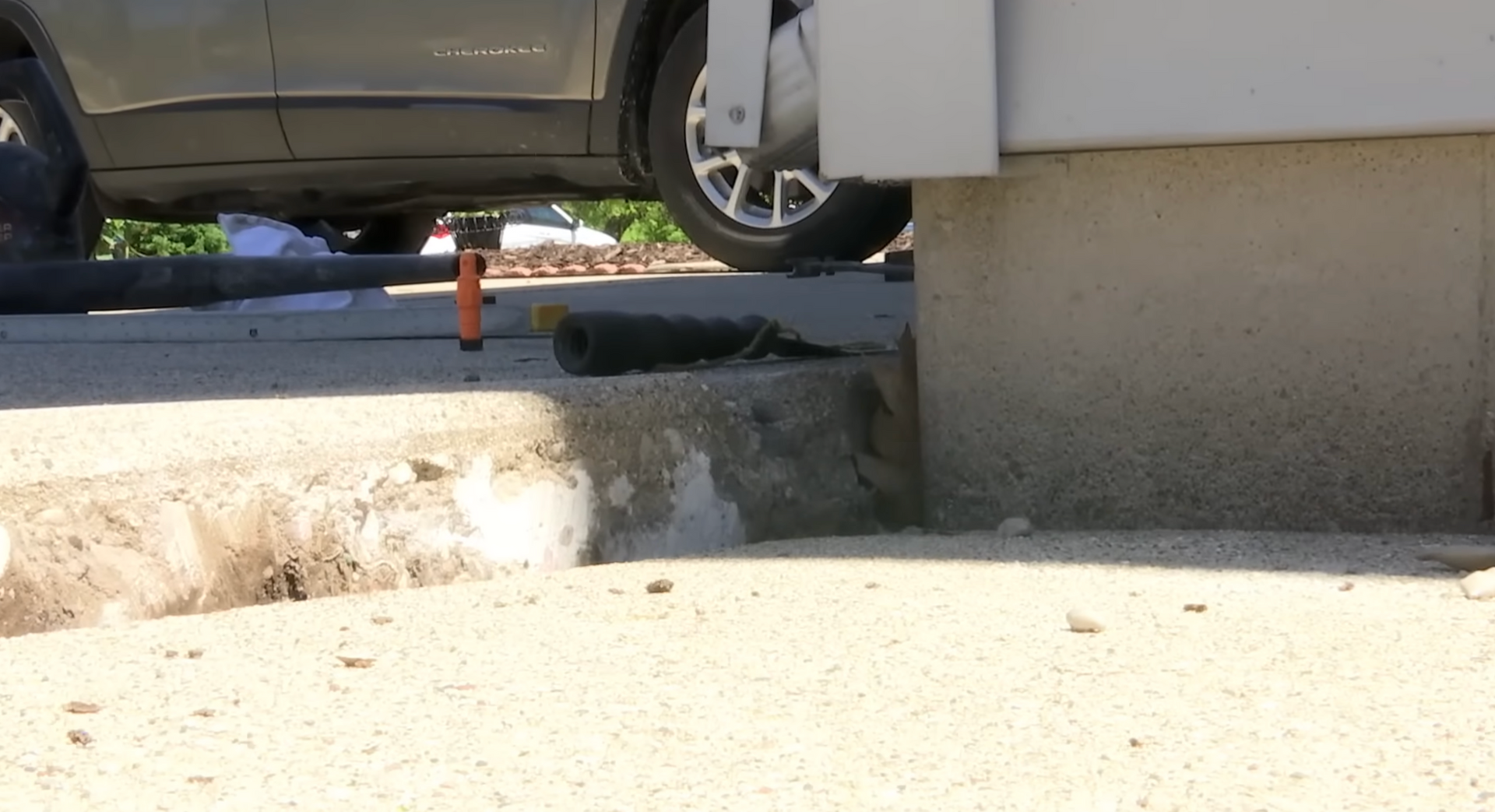
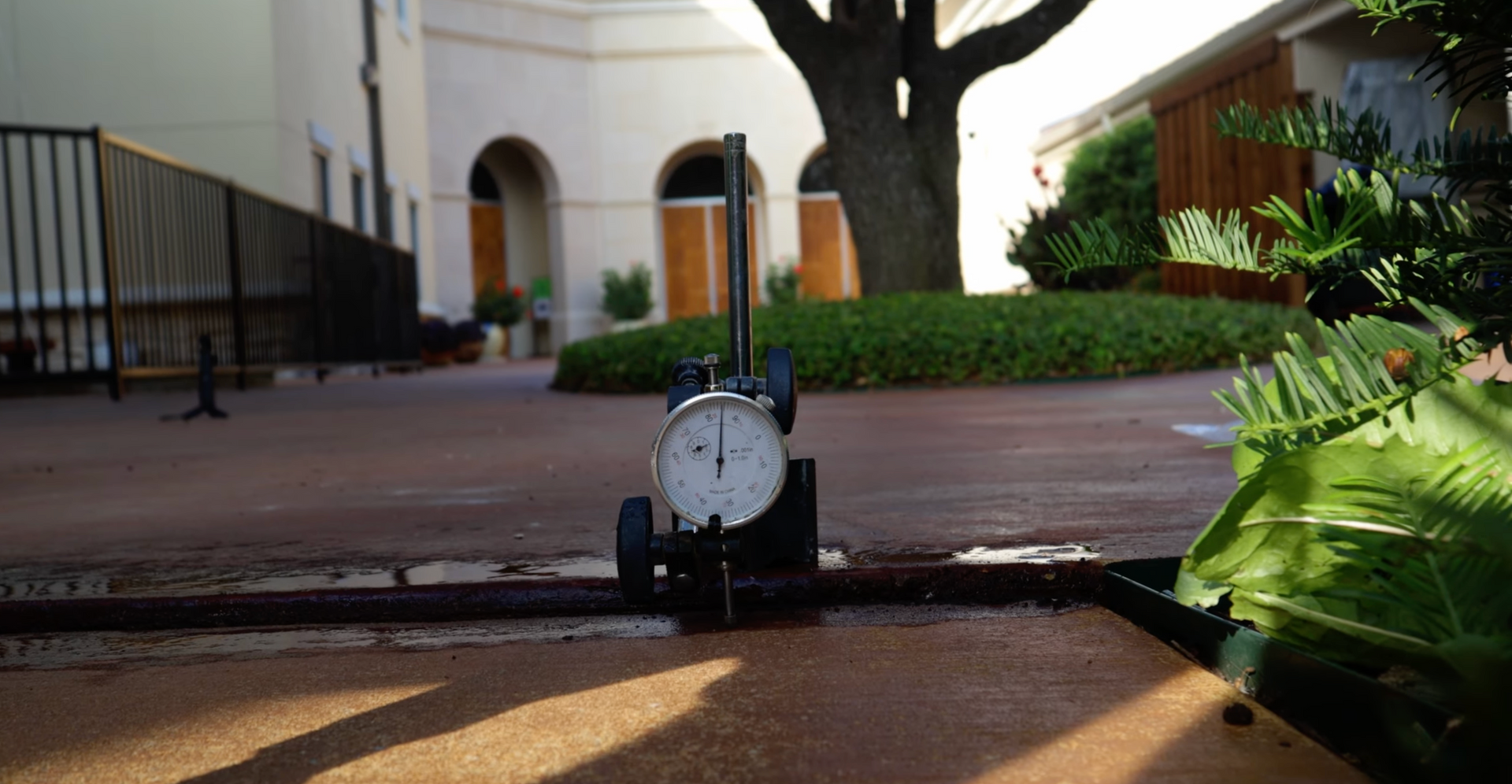
A dip or low spot in a driveway, patio, garage floor, or walkway that holds water after it rains. A lip between two sections of concrete that used to line up, common on sidewalks and driveways. A slab that visibly tilts toward the house or away from it. A garage floor that slopes toward the door. A patio or pool deck that has dropped at one corner or edge. Cracks that appear because one part of a slab settled and pulled away from the part that stayed put.
The common thread is that the problem is in a slab that sits on the ground, and the concrete has moved down into space that opened beneath it. Filling that space and raising the slab is a straightforward repair.
Signs that point to a bigger foundation issue
These suggest the structure of the house itself may be moving, which is a different repair and usually a different kind of company:
Doors and windows that stick, jam, or will not latch when they used to work fine. Cracks running up interior drywall, especially above doorways and windows, or cracks that run at an angle. Gaps opening between walls and the ceiling or the floor. Exterior brick with a stair-step crack climbing through the mortar joints. Floors inside the house that feel sloped or bouncy. A chimney that is pulling away from the house.
If you are seeing several of these together, the issue may be with the home's foundation, not just a slab sitting next to it. That calls for a foundation evaluation rather than a leveling job.
Why they get confused
They get confused because they share a root cause. The same expansive clay that sinks a patio can also stress a foundation, since both are sitting on soil that swells and shrinks with the weather. So it is common to see a settled driveway and a couple of sticking doors at the same house. Sometimes they are two separate problems. Sometimes the drainage issue feeding one is feeding the other.
That overlap is exactly why a look from someone who works with this soil is worth it. The surface symptoms do not always tell the whole story, and guessing wrong in either direction is expensive. Pay to replace a slab that only needed lifting, or level a slab when the real issue is the foundation, and you have spent money without solving the problem.
What to do next
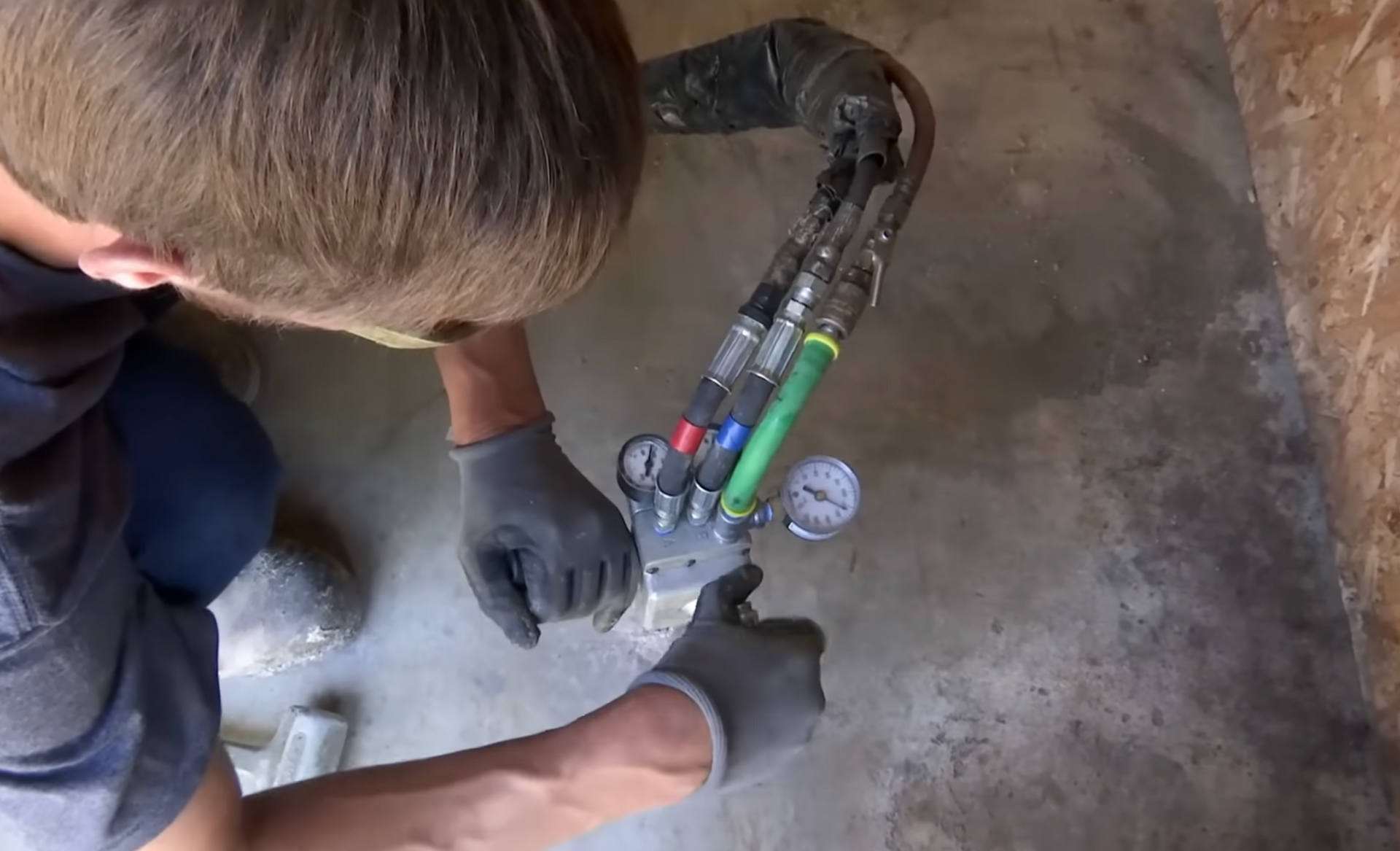
If your signs are the slab-settling kind, a concrete leveling assessment will confirm it and give you a clear path to fix it. If your signs lean toward the foundation list, an honest contractor will tell you that and point you toward a foundation evaluation instead of selling you a leveling job that will not address it.
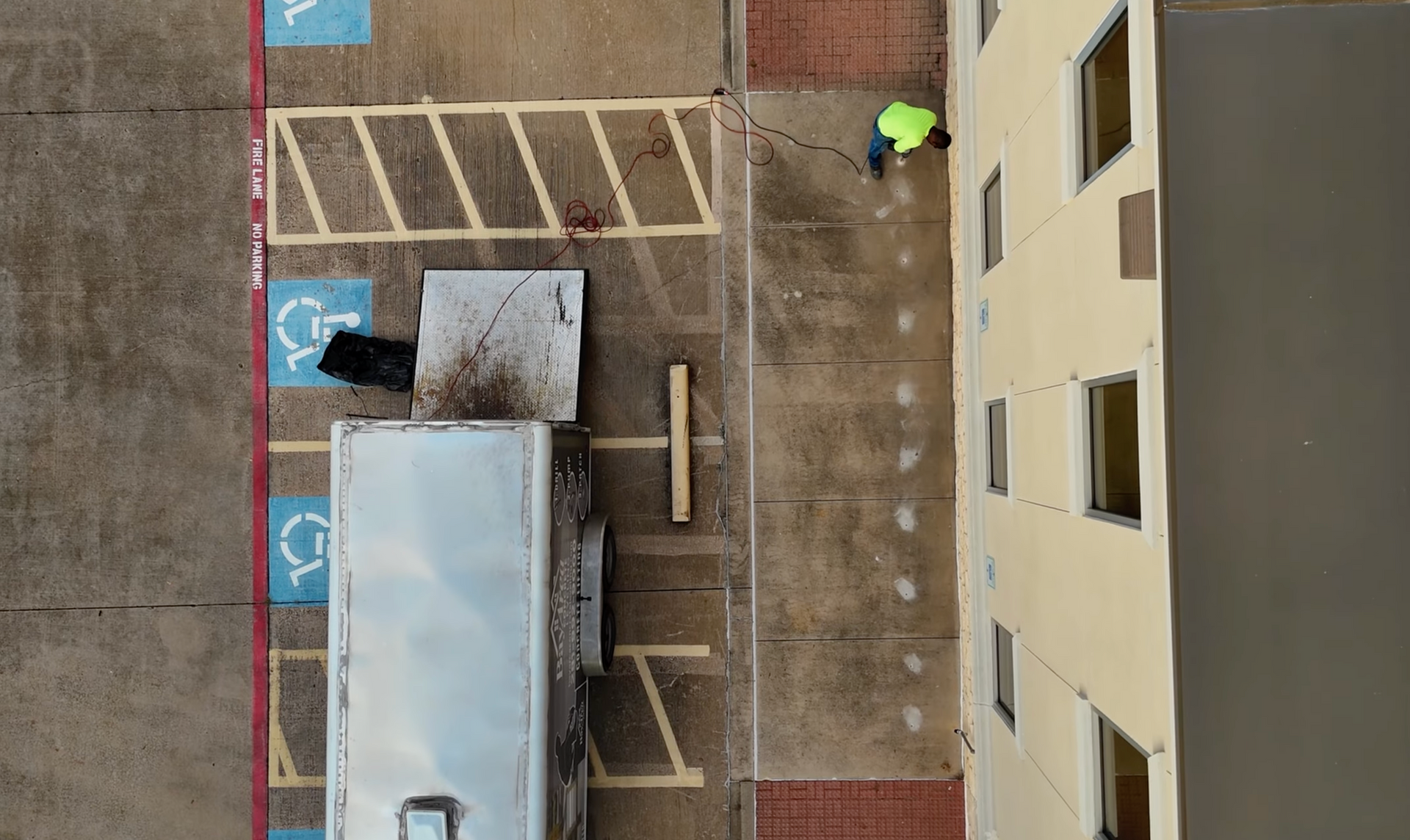
When we come look, that is the first thing we sort out: is this a slab that dropped, or is this something bigger? We will tell you the truth either way, because the only repair worth doing is the one that actually solves your problem.
Not sure which one you are looking at? Reach out for a free assessment and we will help you read the signs in person.