Five Ways to Protect Your Concrete From the Next Dry Summer
Concrete in this region does not sink at random. It sinks because the clay soil under it swells with rain and shrinks in the heat, and the worst of that shrinking happens during a long, dry North Texas summer. The good news is that a lot of the damage is preventable. You cannot control the weather, but you can control how much water reaches the soil and how evenly. Here are five practical things that genuinely help.
1. Point your downspouts away from the slab
This is the simplest fix with the biggest payoff. A downspout dumping water right next to a driveway, patio, or foundation soaks that one patch of clay over and over, then leaves a bigger gap when it dries out. Add extensions so the water lets out several feet away from any slab. You want rain spread out and carried off, not delivered to a single spot by the concrete.
2. Keep the soil moisture steady in a drought
This one feels backward, but it works. The damage from a dry summer comes from the soil drying out unevenly and pulling away from the slab and the foundation. Watering the soil slowly and consistently around the perimeter during a long dry stretch keeps the clay from shrinking as hard. A soaker hose run for a while on a timer, kept a foot or two out from the slab, helps the ground hold steadier. The goal is even moisture, not a flood. You are trying to avoid the extreme swing, not soak the place.
3. Fix the grading so water runs away
Walk your property after a hard rain and notice where water sits or which way it flows. If the ground slopes toward your concrete or your foundation, it is steering water exactly where you do not want it. Building the grade back up so the soil slopes away from slabs keeps rain moving off instead of pooling and soaking in next to the concrete. It is not a glamorous project, but it solves a lot of problems at the source.
4. Mind the big trees
A large tree close to a slab is a quiet culprit. In a dry spell, its roots pull serious amounts of moisture out of the clay on that side, drying and shrinking the soil right where your concrete needs support. You do not have to remove a beloved tree, but it is worth knowing which slabs sit in a tree's reach, watching those for early settling, and keeping the soil there from drying out completely during a drought.
5. Catch leaks and small settles early
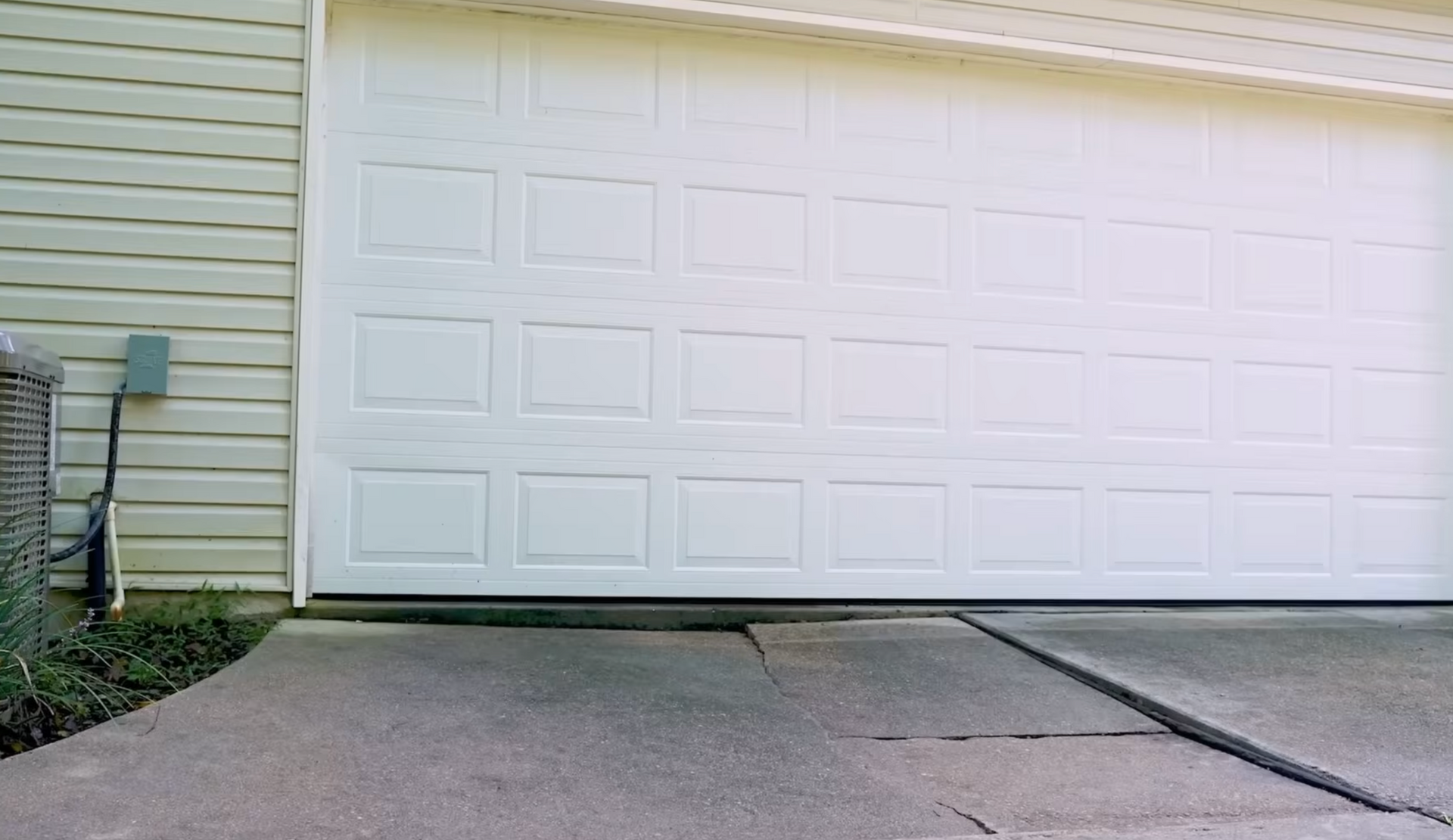
A slow plumbing leak under or near a slab keeps the soil unevenly wet all year and is one of the sneakier causes of settling. If your water bill jumps or you find a patch of ground that stays damp with no explanation, chase it down. The same goes for a slab that has just started to dip. A small settle caught early is a quick, cheap lift. The same slab ignored through another couple of summers can crack and turn into a much bigger repair.
The theme behind all five
Every one of these comes back to the same idea: even, controlled soil moisture. The clay under your concrete is going to swell and shrink no matter what. What you are managing is how extreme that swing gets right next to your slabs. Keep the water away from where it pools and steady where it tends to dry out, and you take a lot of the force out of the cycle that sinks concrete.
If a slab has already started to settle despite your best efforts, that is normal in this soil and it is fixable. Reach out for a free assessment and we will tell you what is going on underneath and what it takes to set it right.